Jan Sierhuis, born in Amsterdam in 1928, grew up in the Jordaan during the Depression. His father died when he was young, and his mother provided him with drawing materials on scrap paper from the offices she cleaned. From an early age, he knew he wanted to be a painter. He initially trained as a house painter but soon chose art. He briefly studied at the Rijksakademie, which he left due to his unconventional ideas. In the late 1940s, he became involved in the experimental circles surrounding the Cobra movement, although his young age prevented him from becoming an official member. In 1962, he co-founded the Amsterdam-based Scorpio Group, which pursued new exhibition formats.
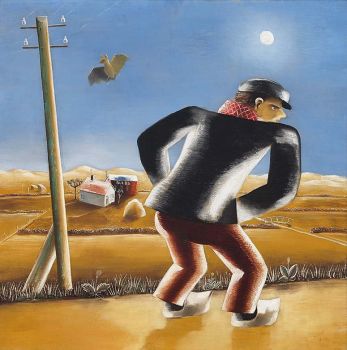
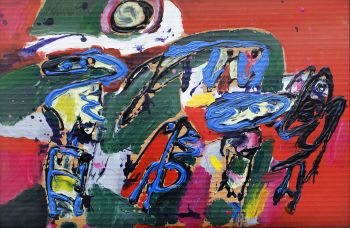
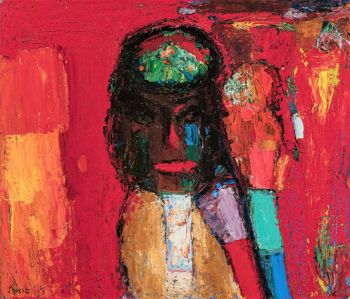
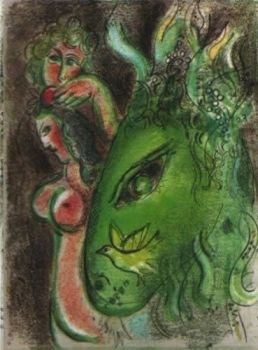
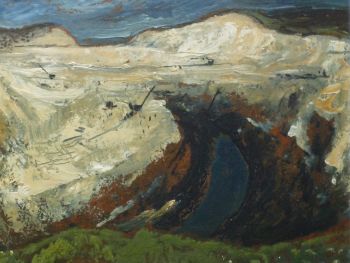
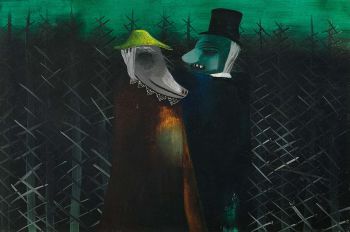
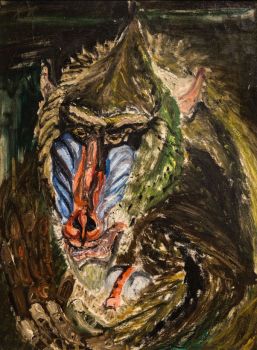
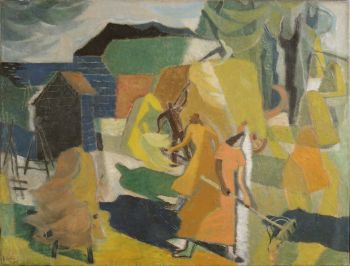
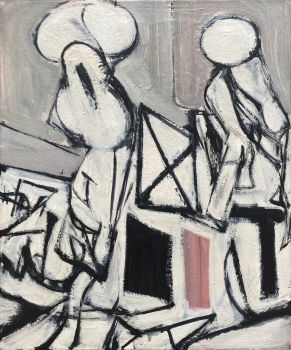
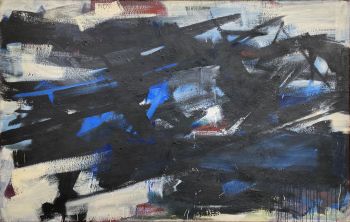
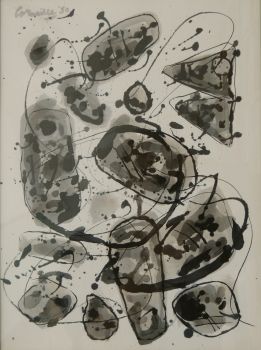
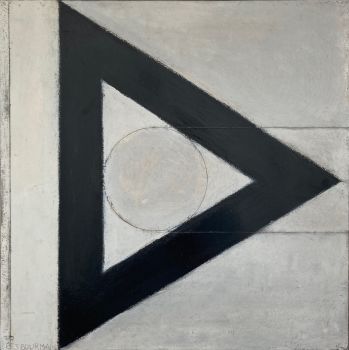
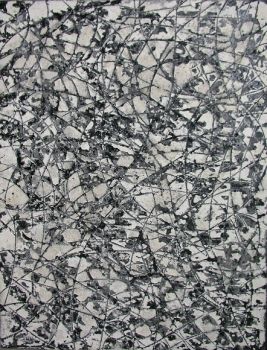
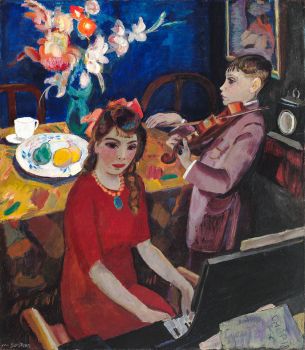
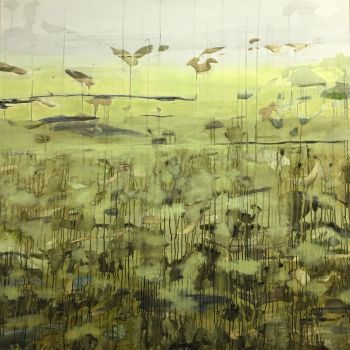
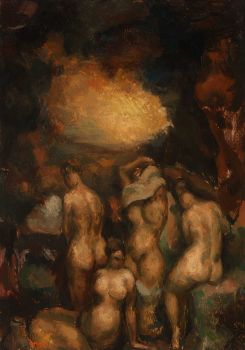
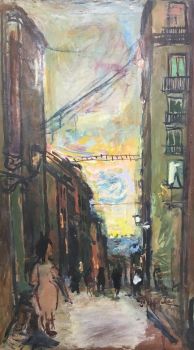
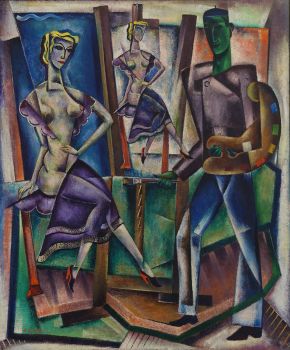
His artistic development began with naturalistic landscapes and evolved into abstract paintings in the 1950s. From the mid-1960s, he returned to expressive figuration, with dancing figures, portraits, and colorful landscapes full of movement and rhythm. His many summers in Spain and his fascination with flamenco are palpable in the energy of his brushwork and the vibrant colors of his work. His paintings balance between freedom and structure, emotion and form, and are always rooted in life itself.
Sierhuis built an international reputation and exhibited in museums and galleries in the Netherlands, France, Mexico, Argentina, Sweden, the United States, and Japan. In 1971, the Stedelijk Museum Amsterdam dedicated a major retrospective to his work and acquired more than 130 of his paintings and drawings. He received various awards, including the Royal Grant for Painting, the Thérèse van Duyl-Schwartze Prize, and the Jeanne Oosting Prize, and was appointed Officer in the Order of Orange-Nassau in 2002. He also taught at Psychopolis, the Rietveld Academy, and the Rijksakademie, among others, where his passion and direct style inspired many young artists.
Jan Sierhuis remained true to his expressive, personal painting style throughout his life, combining humor, emotion, and Amsterdam bravado. He died in 2023 in his native Amsterdam, leaving behind a vast and vibrant legacy that captures the essence of the human experience in color and movement.