About the artist
Willem (Wim) Bosma (Amsterdam, September 21, 1902 – ibid., December 28, 1985) was a versatile Dutch artist: a painter, watercolorist, graphic designer, and monumental artist, known for his powerful visual language and modern subject matter. Although largely self-taught, he received lessons from Piet van Wijngaerdt, who helped shape his development.
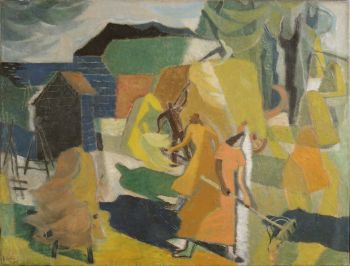
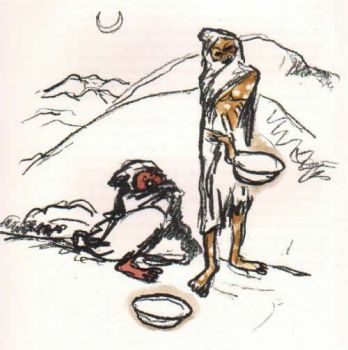
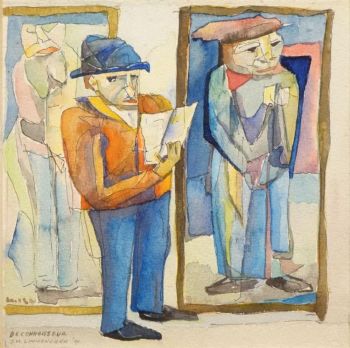
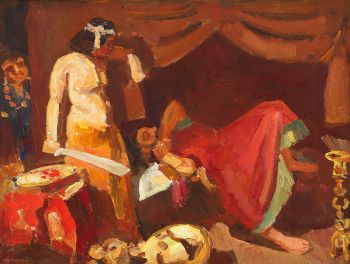
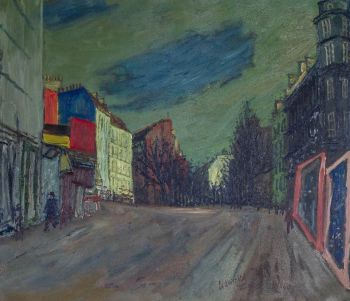
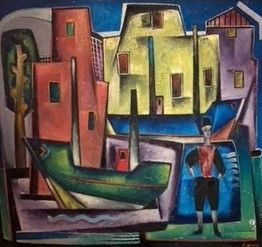
Bosma worked from his studio at Stadhouderskade 100 in Amsterdam. His paintings and watercolors are executed in a constructive-expressionist style and reveal a fascination with modern life: landscapes, harbors, figures, railway viaducts, trains, boats, and airplanes. Among his best-known works are the station and harbor scenes from the 1930s, in which he employed a neo-objective, realistic style. After 1945, his themes broadened, and besides technical subjects, other motifs appeared; a recurring and beloved subject was the African woman. Bosma was also a great fan of jazz music, which is reflected in the rhythm and dynamics of his work.
His work has been acquired by leading museums, including the Centraal Museum, the Gemeentemuseum Den Haag, and the Stedelijk Museum Amsterdam, and is also held in several private collections.
Bosma was a staunch communist and a member of the artists' association De Onafhankelijken (The Independents). When this association joined the Netherlands Chamber of Culture during World War II, Bosma severed his ties: membership in an institution affiliated with Nazi Germany was incompatible with his beliefs.
Wim Bosma was the brother of Jan Johannes Bosma, landscape architect and designer of the Bijenpark (Bee Park) in Amsterdam.
Artworks
Filter Artworks
2 artworks for sale by Wim Bosma