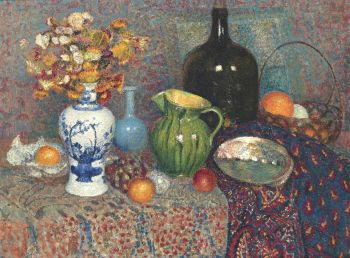
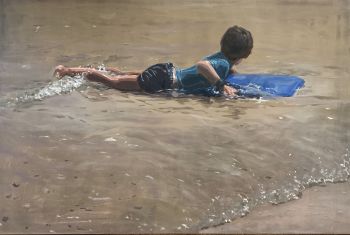
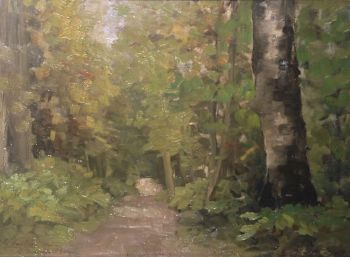
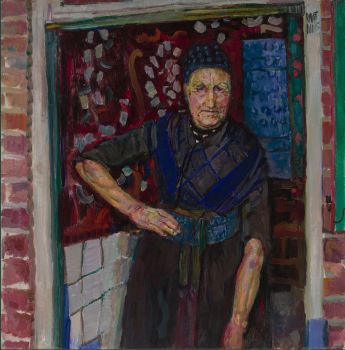
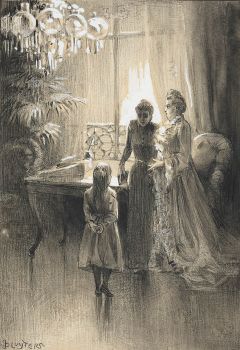
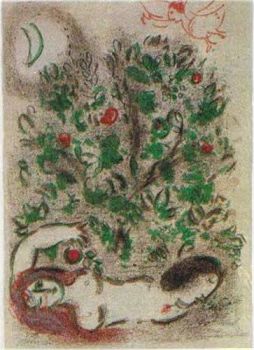
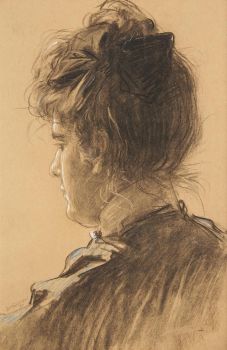
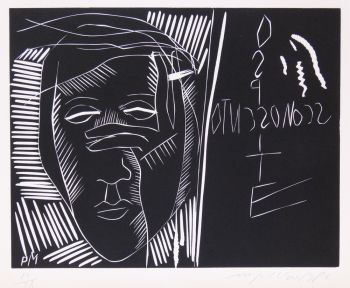
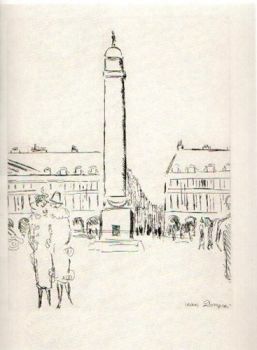
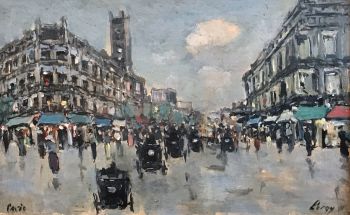
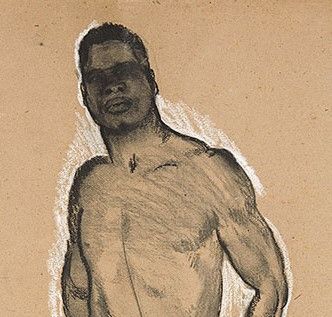
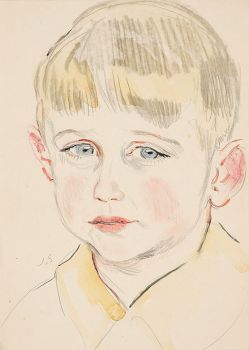
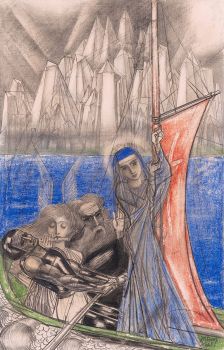
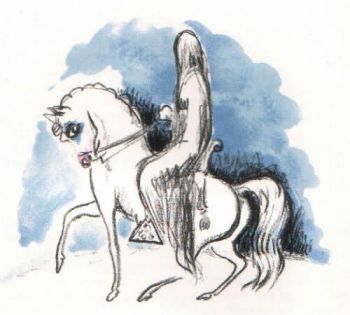
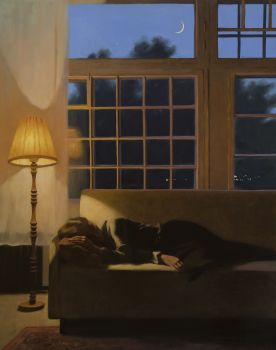
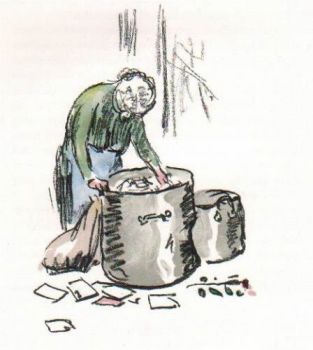
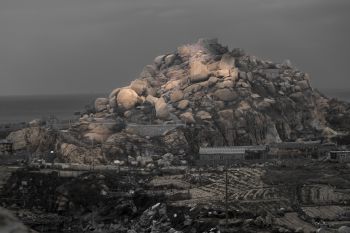
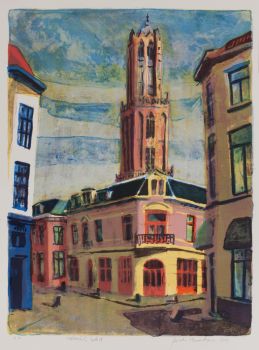
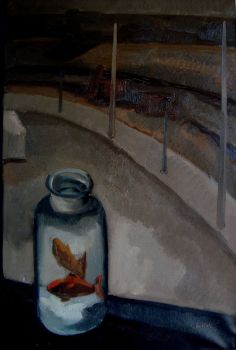
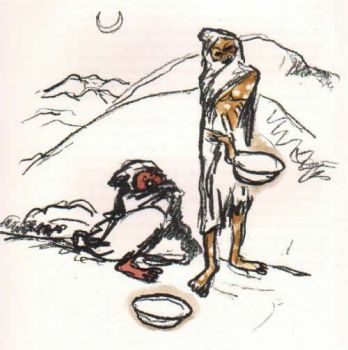
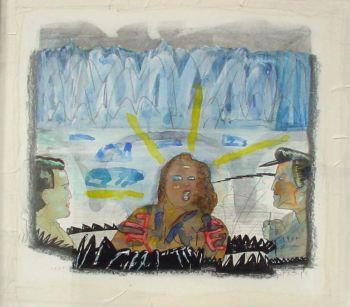
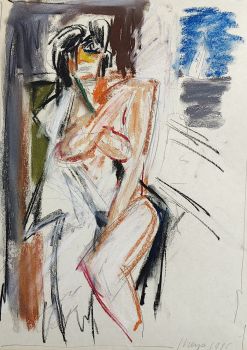
Erasmus Bernhard von Dülmen Krumpelmann (Bad Kreuznach, 25 August 1897 – Zeegse, 21 June 1987) was a German-Dutch painter and draughtsman, known for his impressionistic depictions of landscapes, cityscapes, circus scenes and portraits.
Early years and education
Shortly after his birth, the family moved to Amsterdam. After three years at the Barlaeus Gymnasium, he switched to a private drawing course at the Hendrik de Keyserschool. In 1914, he passed the state drawing exam at the Rijksnormaalschool voor Teekenonderwijzers.
Artistic development and influences
At the instigation of political cartoonist Johan Braakensiek, he received his first illustration assignments and came into contact with artists August Allebé, George Breitner and Willem Witsen, who helped him develop his style. He painted mainly in an impressionistic style. In 1918 he became a member of Arti et Amicitiae and regularly exhibited at members' exhibitions.
Settlement in Drenthe and later career
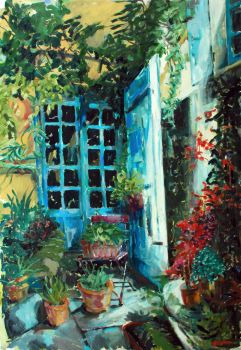
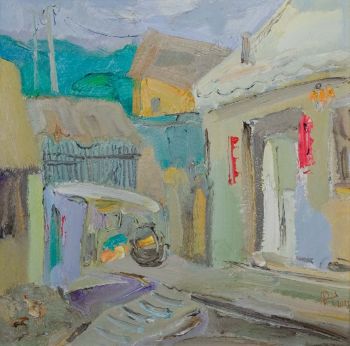
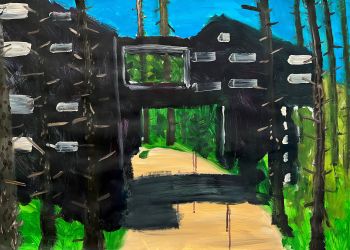
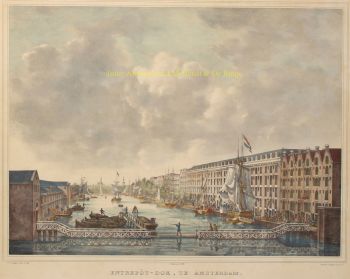
After his marriage in 1921 he settled in Drenthe. There he came into contact with painters from the Groningen art circle De Ploeg, after which his painting style became looser and more colorful. He painted and drew landscapes, cityscapes, circus scenes and portraits, among other things. In 1946 he was co-founder of De Drentse Schilders, an artists' association that existed until 1953. He was then co-founder of the Drents Schildersgenootschap (1954) together with, among others, his son Erasmus Herman and Evert Musch. In 1958 he won the Cultural Prize of Drenthe. In 1984 the Drents Museum organized a retrospective of his work.
Legacy
Erasmus Bernhard von Dülmen Krumpelmann left behind a rich oeuvre that makes an important contribution to Dutch art history. His works are still appreciated and exhibited, and offer valuable insight into the cultural life of his time.