About the artist
Pieter Josselin de Jong was born on 2 August 1861 in Sint-Oedenrode, Noord-Brabant. Despite his relatively short life, he left behind an impressive and versatile oeuvre as a portrait painter, history painter and draughtsman. He combined academic precision with psychological depth and is considered one of the most talented Dutch painters of his generation on the eve of the 20th century.
After his first training at the art academy in Den Bosch, Josselin de Jong continued his studies at the prestigious École des Beaux-Arts in Paris, where he was immersed in the classical painting idiom. His work shows a mastery of form, composition and anatomy that earned him the nickname "the Dutch Ingres." Yet he did not remain a slave to the academy: his paintings often show a free touch, lively lighting and great sensitivity to character and atmosphere.
His portraits are among the strongest parts of his oeuvre. He painted members of the royal family, administrators, writers and fellow artists. What distinguishes his work is not only the technical refinement, but above all his ability to let the inner self of his models shine through — without embellishment, with quiet dignity.
In addition to portraits, Josselin de Jong also painted historical pieces and genre pieces, often with a strong narrative slant. He was fascinated by the past and knew how to bring historical scenes to life with an eye for detail and drama. At the same time, he experimented with lithography and illustrations, in which he further developed his sure use of line.
Josselin de Jong lived and worked in The Hague for most of his adult life. He exhibited regularly, including at Arti et Amicitiae, Pulchri Studio and at world exhibitions. In 1904, he was appointed Knight in the Order of Orange-Nassau — a rare honor for an artist at a relatively young age.
On June 2, 1906, Pieter Josselin de Jong died unexpectedly, only 44 years old. His death was a loss for Dutch painting, because he was about to break through as a national icon. His work lives on in museums such as the Rijksmuseum, the Gemeentemuseum Den Haag and in private collections. As a virtuoso craftsman and portraitist of human dignity, he leaves behind a legacy that speaks powerfully to this day.
Artworks
Filter Artworks
1 artwork for sale by Pieter Josselin de Jong

Related artworks for sale
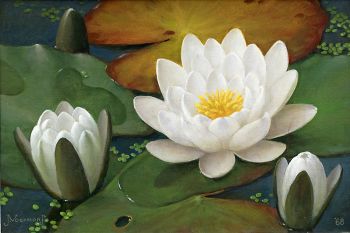




Arend-Jan van Driesten
Lentedag in het Hollandse polderlandschap1900 - 1960
Price on requestBruning Heintz Fine Art