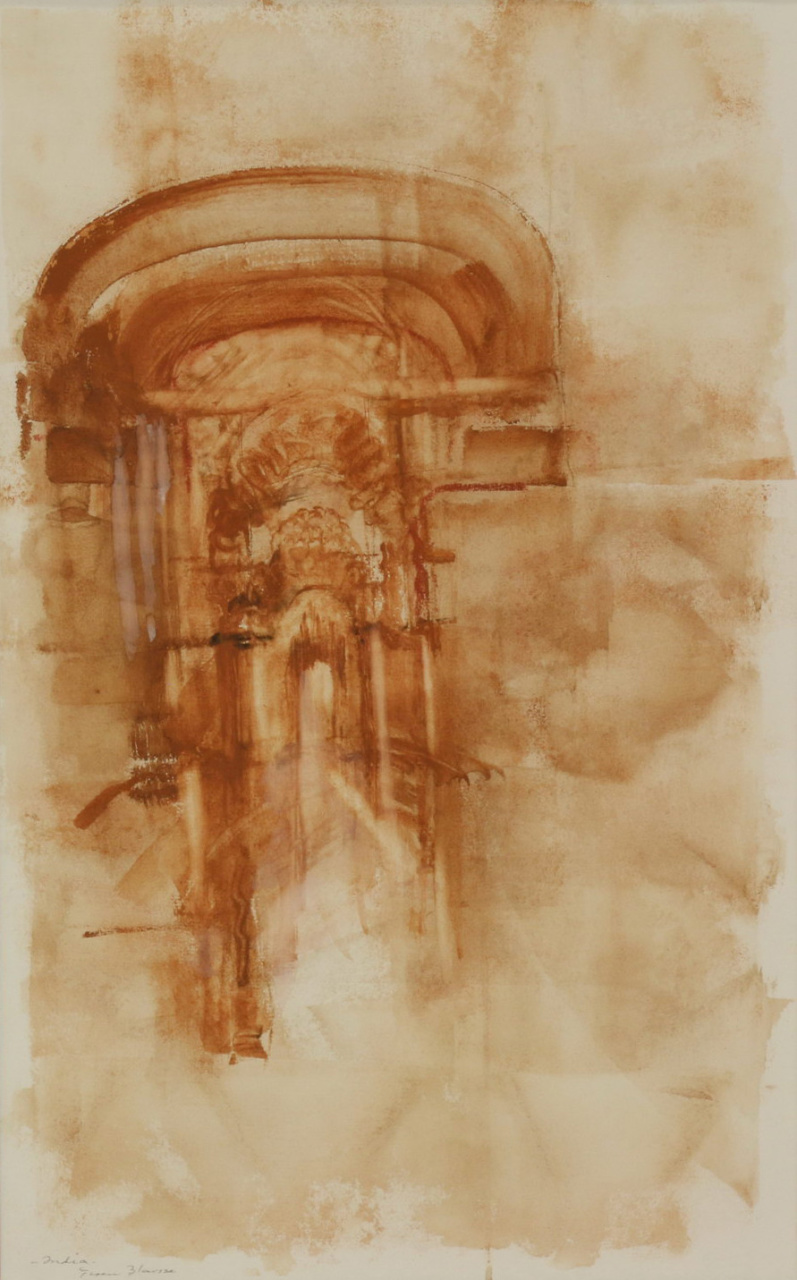
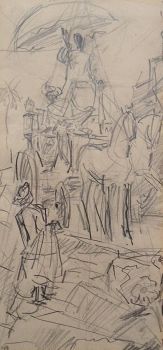
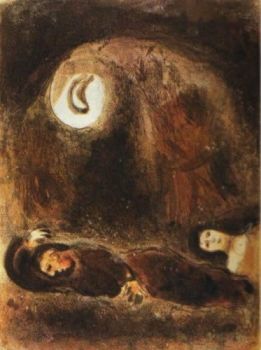
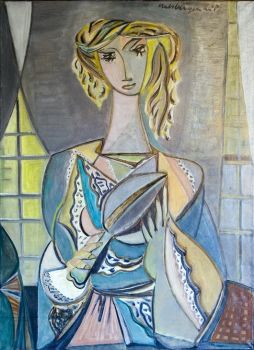
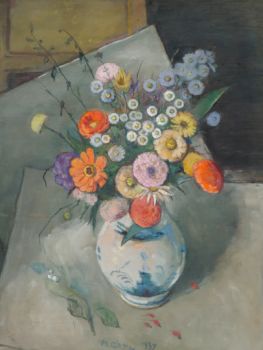
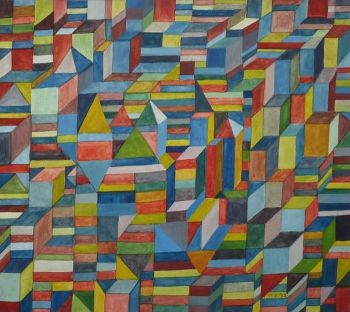
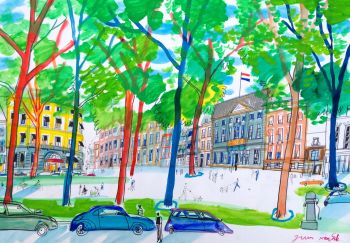
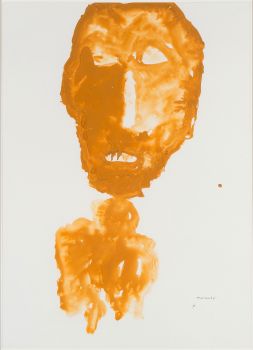
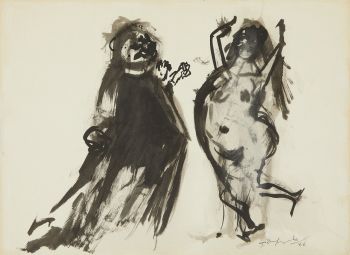
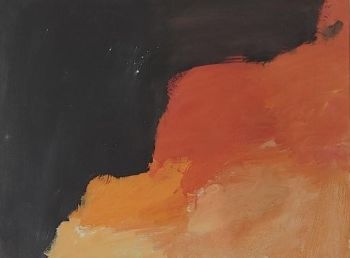
Fioen Blaisse (Amsterdam, 1932 – Amsterdam, 2012) was a Dutch painter, draftsman and sculptor, known for her tranquil, poetic and refined visual language. Her oeuvre includes both two-dimensional work on paper and canvas and three-dimensional sculptures, in which the same modest power, attention to material and sense of balance are central.
Educated at the Rijksakademie van Beeldende Kunsten in Amsterdam, Blaisse developed at a time when many artists were breaking away from academic traditions and were searching for a more personal and intuitive visual language. In her case, this search ran across disciplines: she painted, drew and made sculptures with the same concentrated and investigative attitude.
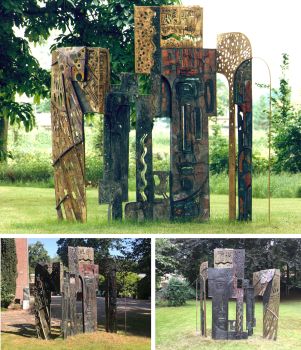
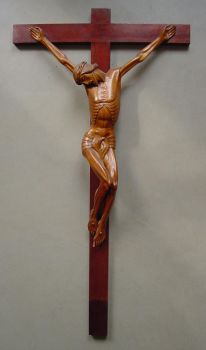
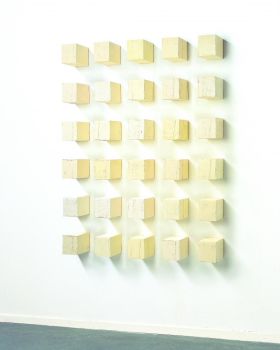
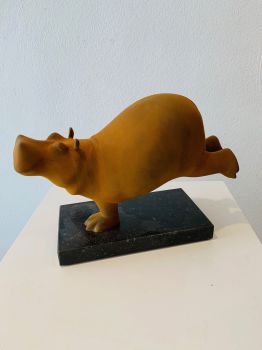
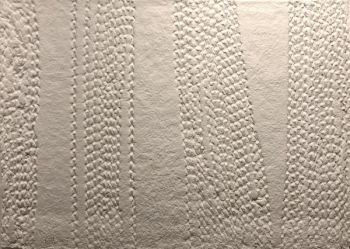
Her sculptures are characterised by a sober, almost minimalistic formal language and a great sensitivity to the material. She worked a lot with clay, bronze and stone, in which the tactile quality and the tension between mass and emptiness played an important role. Just as in her drawings and paintings, her sculptures reveal a search for harmony, rhythm and silence — an invitation to the viewer not only to look, but to feel and experience.
Blaisse approached her sculptures with the same thoughtfulness as her paintings: slowly, with attention to detail, and with great respect for the material. She was guided by the uniqueness of the material — the resistance of the clay, the texture of the bronze — and saw the making of sculptures as a dialogue, not a dictation.
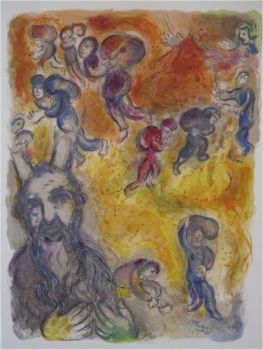
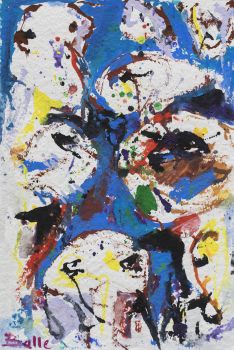
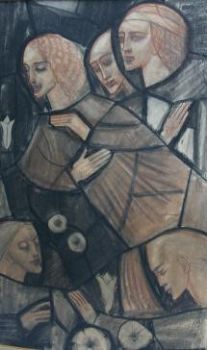
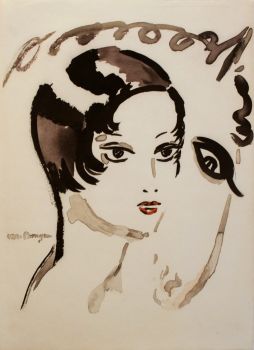
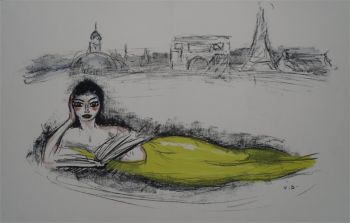
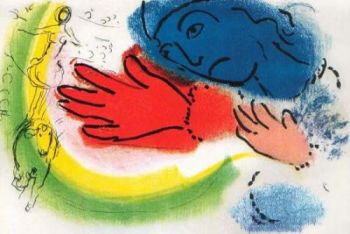
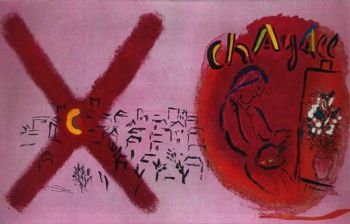
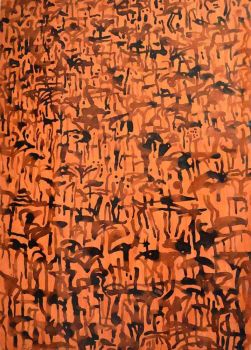
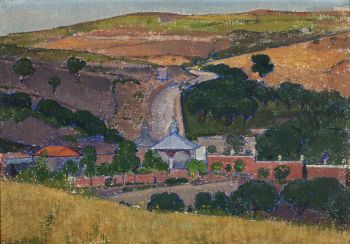
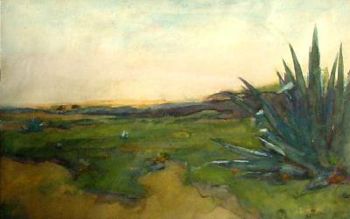
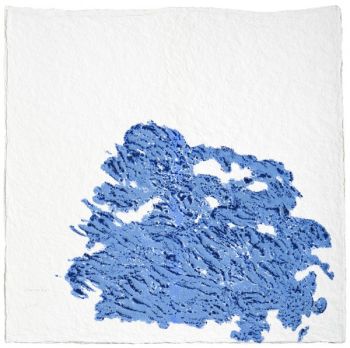
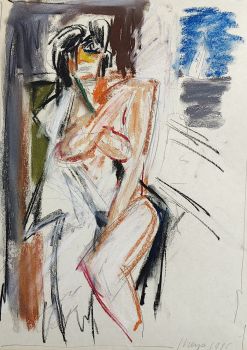
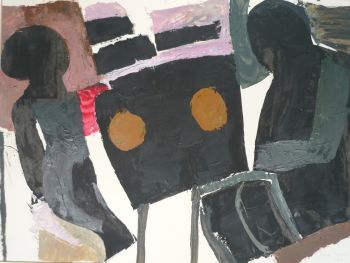
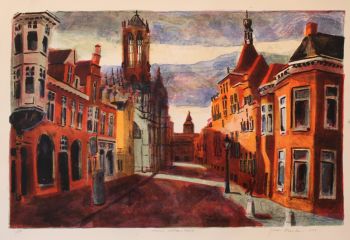
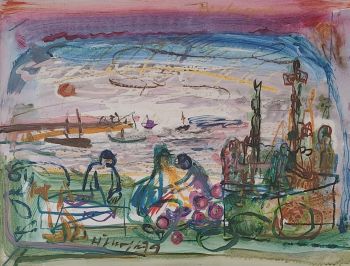
Her work on paper and canvas is distinguished by soft, subdued areas of colour, graphic structures and a rhythmic structure that shows a relationship with music and poetry. But this musical sensitivity also plays a role in her sculptures: volumes and surfaces balance in a subtle way, as if they are in a silent conversation with the space around them.
She exhibited regularly in the Netherlands, including at Galerie Espace, which played an important role in the introduction of post-war abstract and experimental art. In addition, she was active in artists' associations such as Arti et Amicitiae, where she could share her work and ideas with colleagues. Her work was included in private collections and in museum collections such as the Stedelijk Museum Amsterdam, which recognized and appreciated her contribution to post-war Dutch art.
Although she did not seek a large audience and often remained out of the spotlight, she was praised in the art world for her integrity and the consistent quality of her work. Critics pointed out the rare concentration and inner peace that radiate from her paintings, drawings and sculptures.
Fioen Blaisse leaves behind a thoughtful, multidisciplinary oeuvre that invites silence, contemplation and the appreciation of the small gesture. Her art is an ode to the power of the minimal and the subtle — in line, color and form, but also in the mass and volume of the image. She shows how silence and material can reinforce each other, and demonstrates that sculpture can be as much a matter of listening as of form.