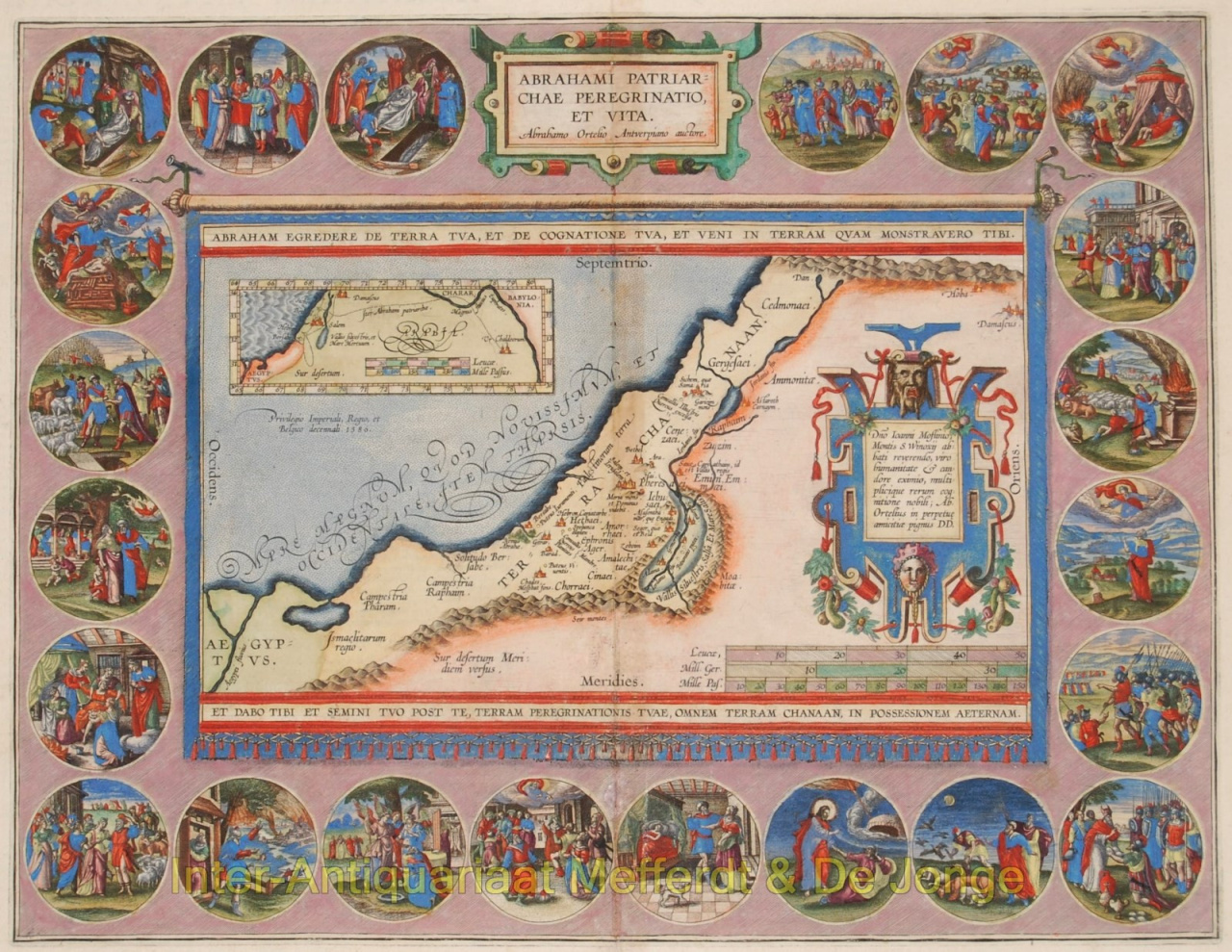
Abraham Ortelius (1527-1598) was een Vlaamse cartograaf en geograaf die algemeen wordt beschouwd als de maker van de eerste moderne atlas en een van de meest invloedrijke cartografen in de geschiedenis. Zijn baanbrekende publicatie, Theatrum Orbis Terrarum (Theater van de Wereld), betekende een keerpunt in de manier waarop geografische kennis werd verzameld, gestandaardiseerd en gepresenteerd.
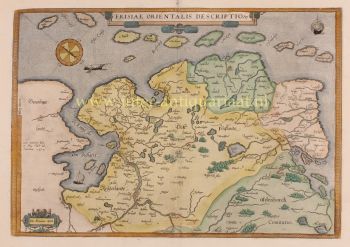
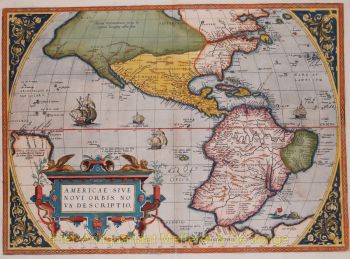
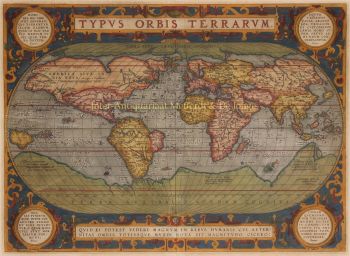
Theatrum Orbis Terrarum, voor het eerst gepubliceerd in 1570, was revolutionair in zowel concept als uitvoering. In tegenstelling tot eerdere kaartencollecties bood Ortelius' atlas een samenhangend en systematisch overzicht van de bekende wereld, met kaarten van uniforme grootte, stijl en kwaliteit, vergezeld van wetenschappelijk commentaar. Deze aanpak transformeerde cartografie van een gefragmenteerd ambacht tot een gestructureerde wetenschappelijke en culturele discipline, waardoor wereldgeografie toegankelijk werd voor wetenschappers, handelaren en staatslieden.
Ortelius leefde en werkte tijdens de Gouden Eeuw van de Nederlandse cartografie, een periode waarin vooruitgang in ontdekkingsreizen, boekdruk en handel het Europese wereldbeeld hervormde. Samen met Gerardus Mercator wordt Ortelius beschouwd als een van de grondleggers van de Nederlandse cartografie. Terwijl Mercator de kaartprojectie revolutioneerde, blonk Ortelius uit in synthese – het samenbrengen van de beste beschikbare geografische kennis in één gezaghebbend werk.
Naast zijn technische prestaties was Ortelius een humanistisch denker met een diepe interesse in geschiedenis, de klassieke oudheid en culturele uitwisseling. Hij onderhield een uitgebreid internationaal netwerk van geleerden, ontdekkingsreizigers en cartografen en vermeldde zorgvuldig de bronnen – een ongebruikelijke en vooruitstrevende praktijk voor zijn tijd. Deze wetenschappelijke integriteit droeg aanzienlijk bij aan de geloofwaardigheid en blijvende invloed van zijn werk.
De nalatenschap van Abraham Ortelius ligt niet alleen in zijn kaarten, maar ook in zijn visie op de wereld als een onderling verbonden geheel. Zijn atlas heeft generaties lang het Europese wereldbeeld gevormd en de basis gelegd voor de moderne cartografie, waarmee hij zijn plaats als een van de grote intellectuele figuren van de Renaissance heeft veiliggesteld.




![European hunting party] by Onbekende Kunstenaar](https://media-2.gallerease.com/images/cb8cbebf-7709-4817-9bdb-fef8ae1e93cf/350x350/european-hunting-party.jpg)