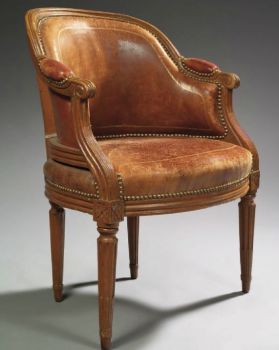
Floris Chair (1st generation) 1967 - 1969
Gunther Beltzig
105 ⨯ 35 ⨯ 59 cm
ConditionMint
€ 7.000 - 7.500
The Millen House
Sei interessato ad acquistare questa opera d'arte?
Related artworks

Jean-François Rauzier
Sagrada Familia - Limited edition of 8 2013
Prezzo su richiestaVilla del Arte Galleries

Jean-François Rauzier
Versailles, Loge Royale - Limited edition of 8 2015
Prezzo su richiestaVilla del Arte Galleries

Jean-François Rauzier
Longue Historie - Limited edition of 8 2015
Prezzo su richiestaVilla del Arte Galleries

Jean-François Rauzier
Veduta Amsterdam 3 - Limited edition of 8 2015
Prezzo su richiestaVilla del Arte Galleries

Jean-François Rauzier
Lectures - Limited edition of 8 2012
Prezzo su richiestaVilla del Arte Galleries


Jean-François Rauzier
Cupula - Limited edition of 8 2015 - 2024
Prezzo su richiestaVilla del Arte Galleries


Jean-François Rauzier
Balade D'Amsterdam 2 - Limited edition of 2 2015
Prezzo su richiestaVilla del Arte Galleries
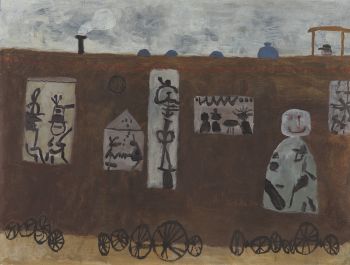

Jean-François Rauzier
Babel 15 - Limited edition of 8 2015
Prezzo su richiestaVilla del Arte Galleries
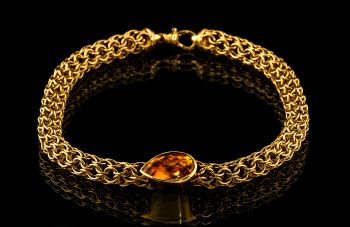
Paloma Picasso
Collier gemaakt voor Tiffany & Co1985
Prezzo su richiestaThe old Treasury Laura Schmitz Fine Jewelry


Jean-François Rauzier
Yali Veduta - Limited edition of 8 (Hyperphotography light box)2015 - 2024
Prezzo su richiestaVilla del Arte Galleries


Artista Sconosciuto
A pair of Dutch Colonial Solid Satinwood Chairs, Ceylon 18th century1725 - 1750
Prezzo su richiestaMenken Works of Art


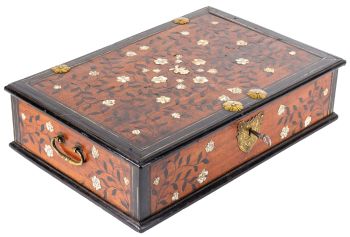
Artista Sconosciuto
Indian colonial inlaid work box, 18th century1700 - 1750
Prezzo su richiestaVerkoulen Oriental & European Antiques















![[copy] Arman, Accumulation de violons, 1985 by Arman](https://media-3.gallerease.com/images/4dcabafd-8c8a-4f00-9acd-55e78034fb20/350x350/copy-arman-accumulation-de-violons-1985.jpg)