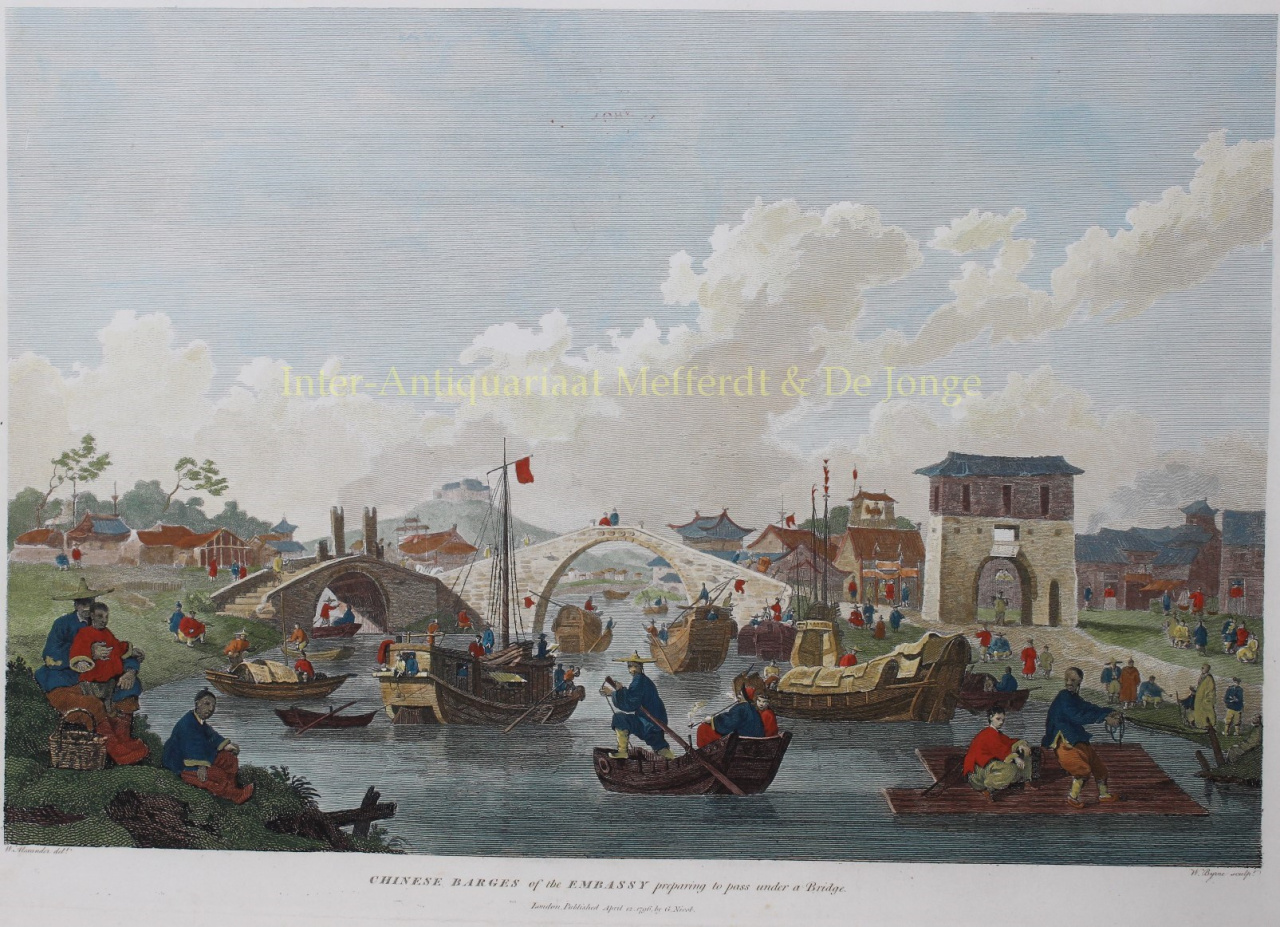
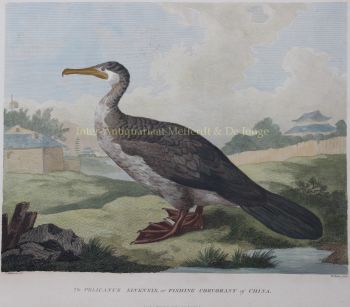
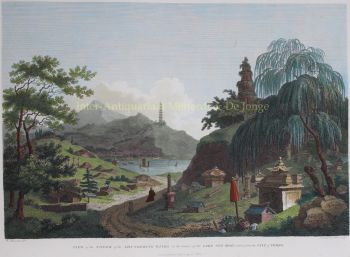
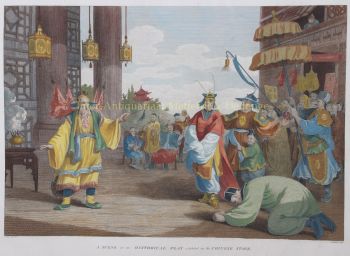
William Alexander (1767–1816) foi o único artista inglês do final do século XVIII a entrar no interior da China, uma viagem que definiria a sua carreira e consolidaria a sua reputação. Nascido em Maidstone, Kent, filho de um fabricante de carruagens, demonstrou precoce talento artístico e estudou em Londres, possivelmente com Julius Caesar Ibbetson, antes de ingressar nas Royal Academy Schools.
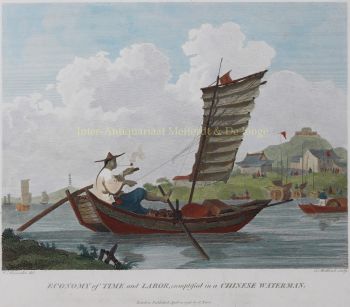
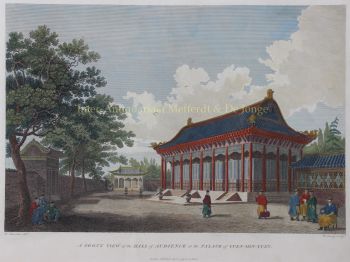
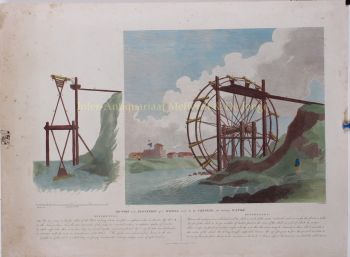
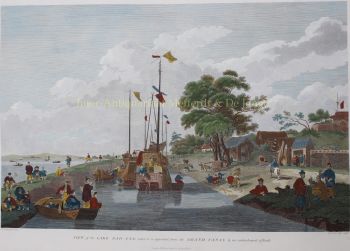
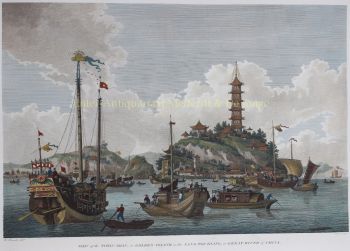
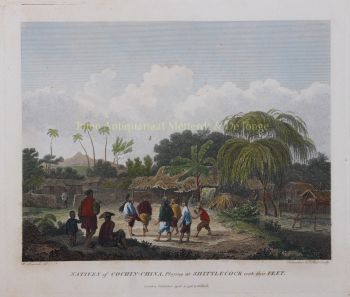
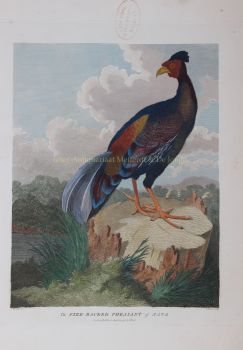
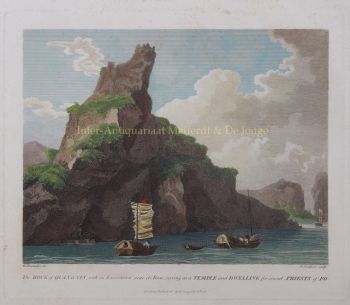
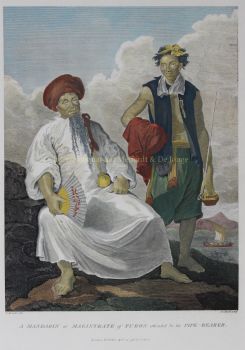
Em 1792, Alexander juntou-se à embaixada britânica de Lord Macartney na China como desenhador júnior. Embora a missão diplomática não tenha conseguido estabelecer relações comerciais duradouras com o Imperador Qianlong, proporcionou a Alexander um extraordinário material de primeira mão. Numa época em que a Chinoiserie cativava a Europa, as suas detalhadas aguarelas de paisagens, arquitetura e vida quotidiana chinesas atraíram grande aclamação. Muitas foram gravadas para o relato oficial da embaixada e para publicações como *View of the Headlands, Islands, etc.* (1798) e *A Voyage to Cochin China* (1806), de John Barrow.
De regresso a Inglaterra, Alexander aprimorou os seus esboços chineses, transformando-os em peças de exposição para a Royal Academy, e trabalhou no vibrante círculo de aguarela em torno do Dr. Monro, ao lado de artistas como Thomas Girtin. Em 1802, tornou-se professor de desenho de paisagem na Real Academia Militar de Great Marlow.
Em 1808, demitiu-se deste cargo para se tornar um dos primeiros curadores do Museu Britânico, desempenhando as funções de curador de gravuras e desenhos e bibliotecário assistente. Aí, começou a compilar o primeiro inventário de gravuras e desenhos do museu e ilustrou importantes antiguidades da coleção Townley. Membro da Sociedade de Antiquários, Alexander dedicou-se cada vez mais a paisagens pitorescas e a estudos de objetos clássicos.
Faleceu em 1816 em Maidstone, aos quarenta e nove anos. Hoje, a sua obra integra importantes coleções públicas, incluindo a British Library, a Tate e o Victoria and Albert Museum, e permanece um inestimável registo visual da China do final do século XVIII na perspetiva britânica.



![RARE ARMORIAL MAP: LEO BRABANTIAE Lion of the most noble Duchy of Brabant] by Sibertus Waterloos](https://media-3.gallerease.com/images/325cc033-a3b6-495f-9da8-6d06caf29b14/350x350/rare-armorial-map-leo-brabantiae-lion-of-the-most-noble-duchy-of-brabant.jpg)

![“Tentation” [temptation], lithograph by Eugène Grasset](https://media-3.gallerease.com/images/b891f1b8-508a-4829-a559-a56b7f765ca7/350x350/tentation-temptation-lithograph.jpg)





![European hunting party] by Artista Desconhecido](https://media-2.gallerease.com/images/cb8cbebf-7709-4817-9bdb-fef8ae1e93cf/350x350/european-hunting-party.jpg)